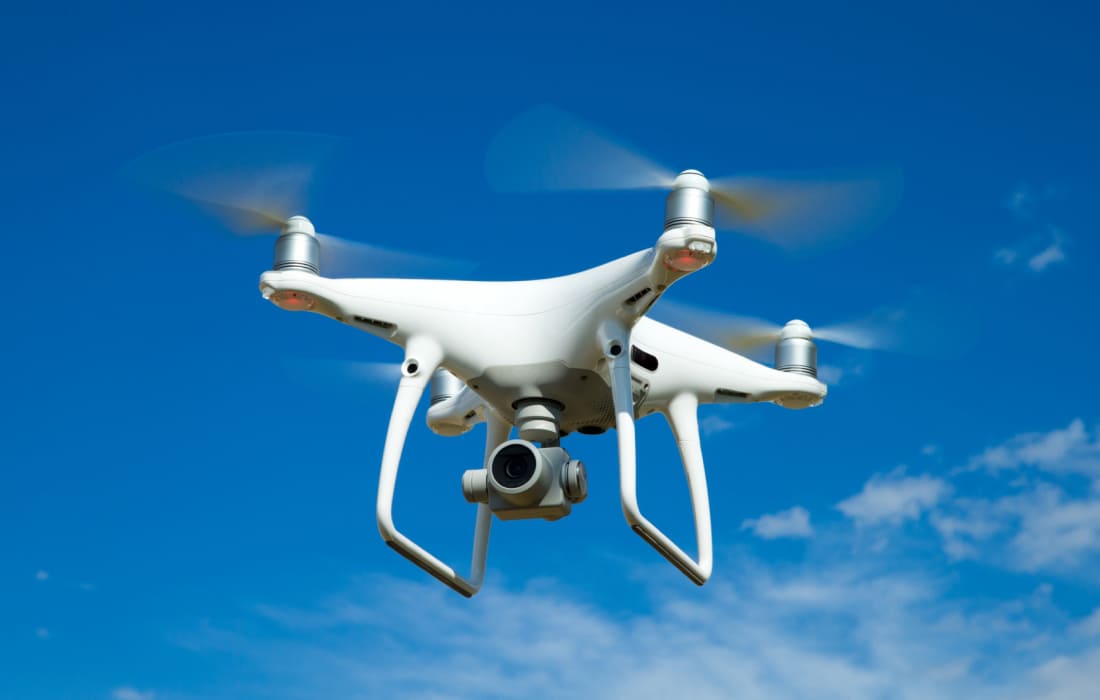

What are the latest innovations in travel tech for 2025?
Travel technology in 2025 is evolving rapidly, transforming how people plan trips, move through airports, experience destinations, and interact with travel services. The convergence of artificial intelligence, immersive technologies, and automation is reshaping the entire travel ecosystem—from booking platforms to in-flight experiences. Below are some of the most important innovations shaping travel technology today.
1. Artificial Intelligence Travel Assistants
Artificial intelligence has become one of the most influential innovations in travel tech. AI systems now analyze traveler preferences, previous trips, budgets, and real-time data to generate highly personalized travel recommendations and itineraries. These systems can also dynamically adjust plans when disruptions occur, such as flight delays or weather changes. Many travel platforms are developing AI “agents” capable of automatically searching, planning, and booking trips through conversational interfaces.
2. Biometric Airports and Seamless Security
Airports worldwide are adopting biometric technologies like facial recognition and fingerprint scanning to streamline security and boarding processes. Instead of presenting passports and boarding passes multiple times, travelers can move through checkpoints using a quick biometric scan. This technology reduces wait times and improves security efficiency, and forecasts suggest that a large portion of global airports will use biometric systems as a standard part of the passenger journey.
3. Virtual Reality (VR) and Augmented Reality (AR) Travel Experiences
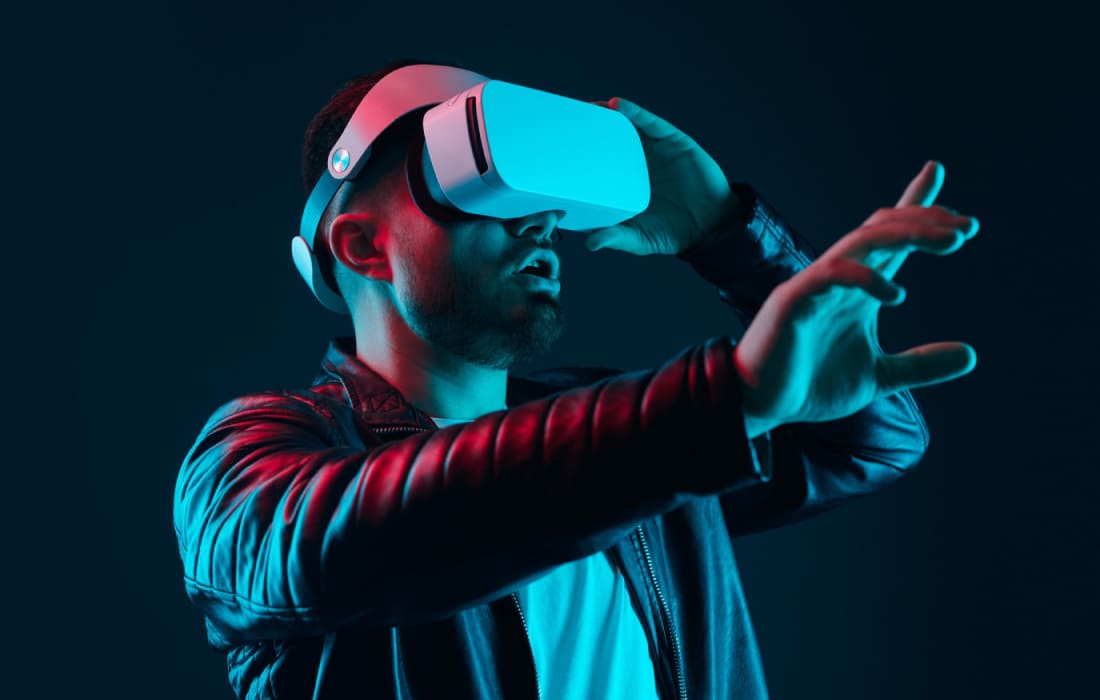
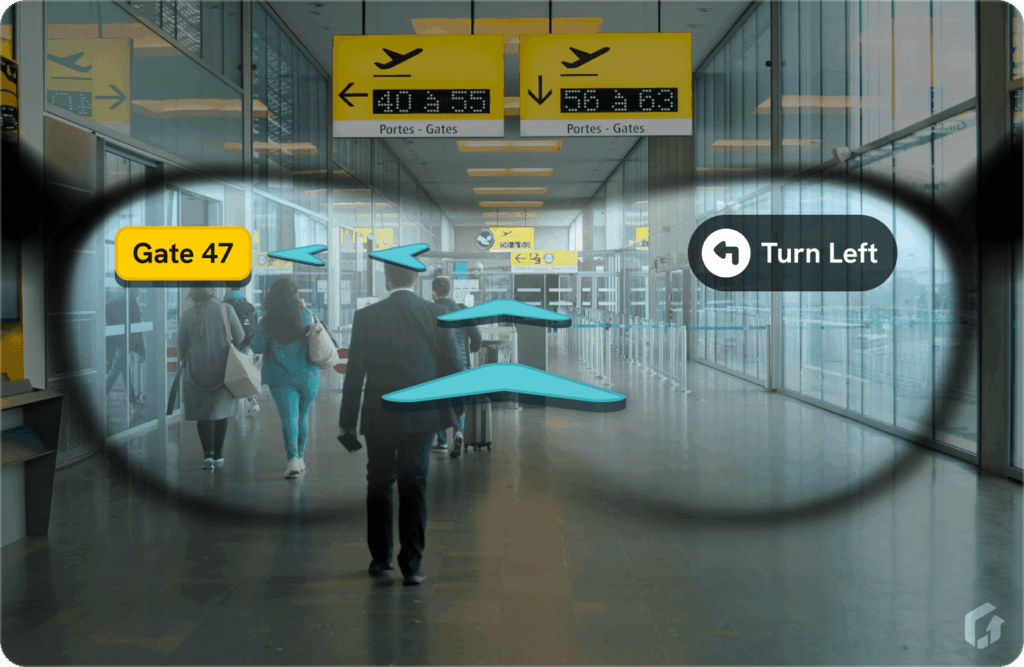
Immersive technologies are redefining how travelers explore destinations before and during a trip. Virtual reality allows people to preview hotels, attractions, or entire destinations through interactive digital tours before booking. Augmented reality enhances travel on location by overlaying information, directions, and historical context onto real-world environments through smartphones or smart glasses. Many travelers say they would use VR previews to help decide where to travel.
4. Smart Hotels and Internet of Things (IoT)
Hotels are becoming increasingly “smart.” Internet-connected devices allow guests to control lighting, temperature, entertainment systems, and room services through mobile apps or voice assistants. IoT technology also helps hotels improve energy efficiency, automate services, and personalize the guest experience based on preferences stored in digital profiles.
5. Sustainable Travel Technologies
Environmental awareness is pushing innovation toward greener travel solutions. Travel platforms now incorporate carbon footprint tracking, sustainable route recommendations, and eco-friendly accommodations. Some booking systems calculate emissions for flights or transport options, allowing travelers to choose lower-impact alternatives. Governments and companies are also increasingly adopting sustainability reporting and carbon offset programs.
6. Intelligent Travel Platforms and Generative Search
Another emerging innovation is the shift toward conversational search and booking environments. Instead of manually browsing travel websites, travelers can interact with AI chat interfaces that plan trips, compare flights, recommend destinations, and complete bookings in a single conversation. Major technology companies are already experimenting with integrating travel booking directly into conversational AI systems.
7. Real-Time Travel Data and Smart Baggage Tracking
Technology companies are also embedding digital tools into the physical travel experience. Real-time baggage tracking, intelligent boarding passes, and predictive travel alerts allow travelers to monitor flights, luggage, and airport conditions instantly from mobile devices. These innovations reduce uncertainty and give travelers more control over their journeys.
Conclusion
The travel industry is entering a new technological era where digital intelligence, immersive experiences, and automation redefine mobility. AI-driven planning, biometric security, VR destination previews, smart hotels, and sustainable travel technologies are collectively creating a more seamless and personalized travel experience. As these innovations mature, travel in the coming years will likely become more efficient, intelligent, and tailored to the needs of individual travelers.
If you’d like, I can also show you 10 futuristic travel technologies expected by 2030—some of them sound almost like science fiction but are already being tested.