

Does the Utilization of Drone Technology in Warfare Change the Future of Mankind?
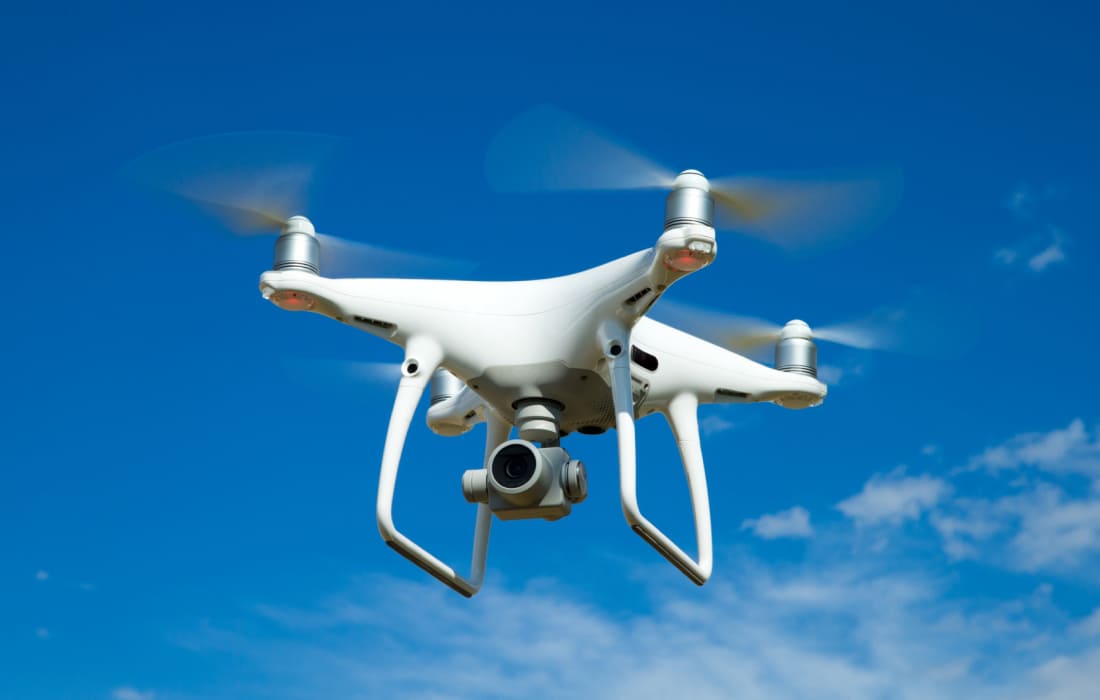
The rapid development and deployment of drone technology have fundamentally altered the nature of modern warfare. Unmanned aerial vehicles (UAVs), once used primarily for surveillance, are now central tools for reconnaissance, precision strikes, intelligence gathering, and even autonomous combat operations. As these technologies continue to evolve—often combined with artificial intelligence—their impact extends far beyond military strategy, raising profound questions about the future of warfare, international security, and humanity itself.
The Rise of Drone Warfare
Over the past decade, drones have transitioned from specialized military equipment to one of the most widely used weapons systems in modern conflicts. Wars in regions such as Ukraine, Gaza, and Sudan have demonstrated how drones can influence battlefield outcomes and reshape military strategies worldwide. In fact, analysts increasingly describe current conflicts as “drone wars,” where unmanned systems play a decisive role in intelligence gathering and targeted strikes.
Originally developed for surveillance missions, drones now perform a wide range of functions, including attacking targets, guiding artillery, and monitoring enemy movements in real time. These systems provide militaries with detailed battlefield awareness and the ability to conduct operations with reduced risk to human soldiers.
Artificial Intelligence and Autonomous Combat
The integration of artificial intelligence into drone systems is accelerating this transformation. AI-powered drones can analyze data from sensors, satellites, and surveillance platforms to identify targets, navigate complex environments, and coordinate operations with other unmanned systems. Some modern drones are capable of autonomous navigation and swarm coordination, allowing multiple drones to work together to overwhelm defenses or conduct large-scale surveillance missions.
Recent developments illustrate how quickly this technology is advancing. In ongoing conflicts, AI systems are already being used to analyze battlefield data and accelerate decision-making, dramatically reducing the time required to identify and strike targets.
In Ukraine, for example, military data collected from drone missions is now being used to train AI models that improve pattern recognition and autonomous drone operations.
These innovations suggest that future battlefields may involve large numbers of autonomous or semi-autonomous machines operating with minimal direct human control.
Changing the Economics of War
Drone technology is also changing the economic structure of warfare. Traditional military equipment such as fighter jets, tanks, and missiles can cost millions of dollars, making them accessible only to powerful nations. Drones, by contrast, can often be produced at a fraction of the cost.
For example, some combat drones can be manufactured for tens of thousands of dollars while still carrying significant destructive capabilities.
This lower cost has important consequences. Smaller nations and even non-state actors can now deploy advanced aerial capabilities that were once available only to major military powers. As a result, the balance of military power may become less dependent on traditional resources and more dependent on technological innovation and mass production.
Expanding the Battlefield
Another consequence of drone technology is the expansion of the battlefield itself. Modern drones allow forces to strike targets far beyond traditional front lines. In some conflicts, the effective danger zone for ground forces has extended several miles behind defensive positions because drones can easily reach previously secure areas.
This new reality changes how armies design defenses, move equipment, and protect personnel. It also increases the vulnerability of infrastructure, logistics networks, and civilian areas.
Ethical and Humanitarian Challenges
Despite their strategic advantages, drones introduce serious ethical and humanitarian concerns. Autonomous or AI-assisted targeting systems may reduce human oversight in life-and-death decisions. Errors in AI-generated intelligence or targeting algorithms could lead to unintended casualties or escalation of conflict.
Experts have warned that autonomous weapon systems could create accountability gaps, where responsibility for decisions becomes difficult to assign between humans, algorithms, and institutions.
Additionally, the rapid spread of drone technology may encourage the proliferation of autonomous weapons, raising concerns about global stability and the potential for misuse by terrorist groups or rogue actors.
The Future of Warfare and Humanity
The growing use of drones signals a shift toward robotic and AI-driven warfare. Future conflicts may involve autonomous aircraft, robotic ground vehicles, underwater drones, and AI-assisted command systems operating simultaneously across multiple domains.
Some military strategists believe that wars will increasingly be fought by machines rather than soldiers. Autonomous systems may conduct surveillance, launch attacks, and coordinate operations faster than human operators can react.
This transformation could reduce direct human casualties among combatants but may also lower the political and psychological barriers to initiating conflict.
Conclusion
Drone technology is reshaping warfare in ways that could define the future of global security. By combining unmanned systems, artificial intelligence, and real-time data analysis, modern militaries are entering an era where machines play an increasingly central role in combat.
While drones offer strategic advantages such as improved intelligence, lower operational costs, and reduced risk to soldiers, they also introduce new ethical dilemmas and security risks. The challenge facing humanity is not simply how to develop these technologies but how to regulate and govern them responsibly.
The future of mankind may depend on whether societies can balance technological innovation with ethical responsibility, ensuring that advances in military technology do not outpace the global frameworks needed to control them.